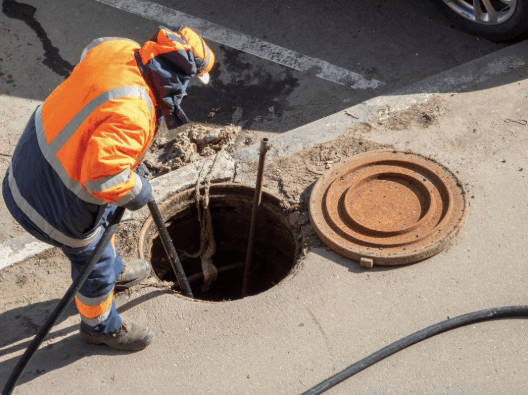
Preventing sewer backups begins with proactive, routine maintenance and careful usage. Install strainers on all drains and monitor them regularly. Avoid flushing non-flushables and disposing grease, oils, and coffee grounds in sinks. Schedule inspections for grease traps and cleanouts, and use enzyme-based cleaners to minimize buildup. Track maintenance activities and respond promptly to slow drains or gurgling. The plan hinges on consistent records and timely interventions, setting the stage for a durable, backup-free system—if these steps are followed, what comes next becomes clearer.
Identify Warning Signs of Sewer Backups
Sewer backups often announce themselves through a distinct set of warning signs that can be observed in daily use and plumbing behavior.
The assessment focuses on warnings signs, signs of backups, and daily prevention indicators.
Recognizing these cues supports proactive maintenance basics and timely intervention, enabling informed decisions about maintenance basics, preventive actions, and alerts.
Clear, concise observations enable efficient, objective responses.
Practical Home Maintenance for Clearer Pipes
Effective pipe maintenance hinges on targeted, routine actions that prevent buildup and promote steady flow. Regular flushing with appropriate cleaners, mindful disposal practices, and timely inspection reduce clog potential and detect early signs of degradation.
Proactive measures minimize overflow risks and mitigate pipe corrosion, preserving system integrity. Documentation of inspections supports accountability, informs repairs, and sustains efficient, freedom-minded residential plumbing performance.
Smart Usage and Prevention Strategies Daily
Daily usage habits and preventative routines shape long-term sewer reliability. The section presents daily behavior insights and proactive checks that reduce blockages and odor issues.
Concrete actions include monitoring grease traps, maintaining proper flushing routines, and avoiding inappropriate waste disposal.
Regular inspections detect early faults, while prompt maintenance minimizes sewer odor risks and extends system resilience through disciplined usage and targeted preventive tasks.
See also: The Rise of AI Startups
When to Call a Pro and What to Expect
Determining when professional assistance is necessary hinges on objective indicators and timely escalation. The pro will assess root causes, safety risks, and system integrity, then outline expected workflow, diagnostics, and repair scopes. Clear quotes and timelines accompany estimates to illuminate problem costs.
Emergency timing considerations prioritize rapid mobilization, containment, and minimal disruption, ensuring informed decisions and organized, methodical resolution.
Conclusion
A quiet clock ticks, signaling readiness: clean pipes, like a well-tuned engine, run smoothly. The drain’s horizon glows when habits align—strainers catch debris, traps stay inspected, and greases stay away from the system. When warning signs appear, a calculated response acts as a weather vane, steering toward professionals as needed. In this durable choreography, records become a lineage of reliability, transforming everyday maintenance into a shield against backups. Stability, then, is the art of disciplined flow.